Flatbed Towing
The safest way to transport your vehicle with zero risk of drivetrain damage or undercarriage scraping.
Why Flatbed Towing Is the Best Option
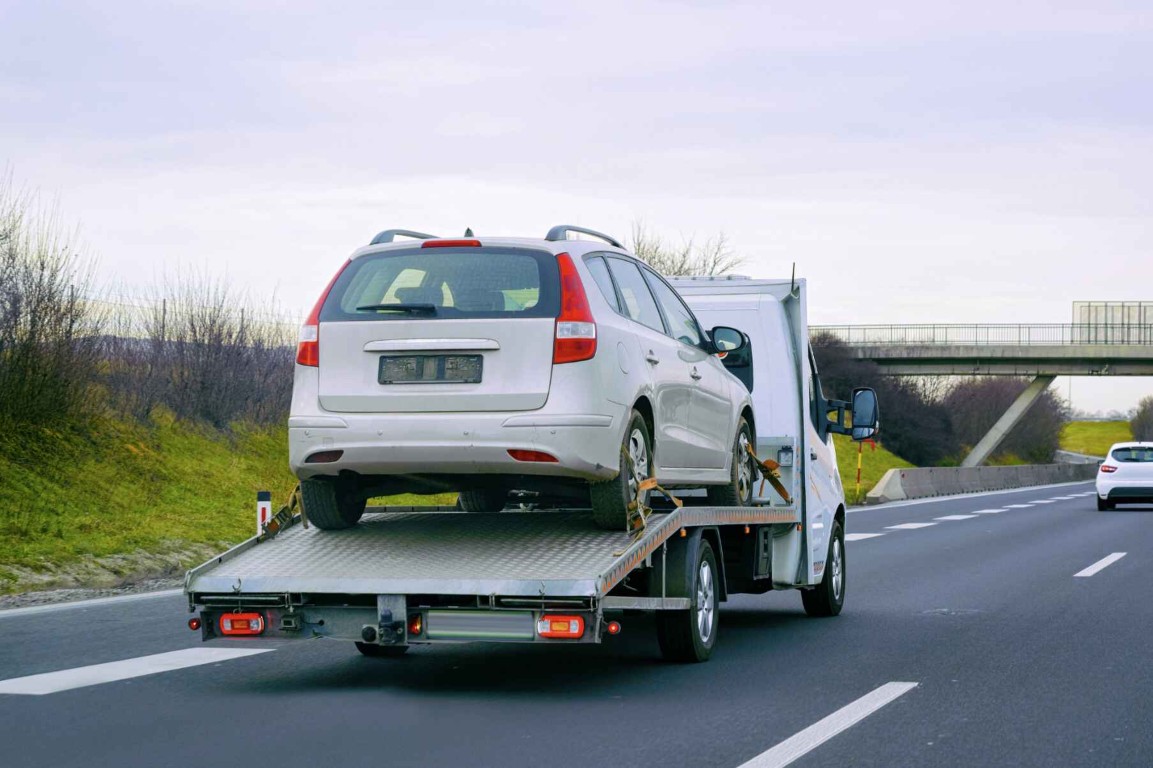
Flatbed towing is the gold standard for vehicle transport. Unlike traditional wheel-lift towing, where two wheels remain on the ground, a flatbed truck carries your entire vehicle on a flat platform. This method eliminates the risk of drivetrain damage, tire wear, and undercarriage scraping that can happen with other towing methods. Whether you drive a luxury car, a vintage classic, an all-wheel-drive SUV, or a modified vehicle, flatbed towing gives you peace of mind that your car will arrive in the same condition it left.
Many modern vehicles, especially those with all-wheel drive or low ground clearance, should never be towed with two wheels on the ground. Doing so can cause serious mechanical damage that leads to expensive repairs. Flatbed towing avoids this problem entirely. Your vehicle is loaded onto the bed of the truck, secured with straps and chains, and transported without any of its wheels touching the pavement. This is the safest and most reliable way to move a car from one place to another.
When you need flatbed towing in Beavercreek, OH, you want a company that knows how to handle your vehicle with care. We use professional-grade flatbed trucks maintained to the highest standards, and our operators are trained to load and secure vehicles properly. We take the time to do it right, because we understand that your car is valuable and deserves to be treated that way.
When You Should Choose Flatbed Towing
Not every tow requires a flatbed, but many situations call for it. Here are the most common scenarios where flatbed towing is the right choice:
- All-wheel-drive vehicles: AWD cars and SUVs should always be towed on a flatbed. Towing with two wheels on the ground can damage the transfer case, transmission, and other drivetrain components. Repairs for this type of damage are often expensive and avoidable.
- Low-clearance vehicles: Sports cars, lowered vehicles, and cars with body kits sit close to the ground. Using a wheel-lift tow can scrape the front or rear bumper, causing cosmetic and structural damage. Flatbed towing keeps the entire vehicle off the ground.
- Luxury and classic cars: High-value vehicles deserve extra care during transport. Flatbed towing ensures no unnecessary wear on tires, suspension, or undercarriage components. It also reduces the risk of road debris, weather exposure, and other hazards.
- Accident-damaged vehicles: If your car has been in a collision and cannot roll freely, flatbed towing is often the only safe option. We can winch the vehicle onto the flatbed even if the wheels are locked or the frame is bent.
- Long-distance transport: When you need to move a vehicle over a long distance, flatbed towing protects it from road wear and environmental exposure. This is especially important for long-distance towing where the vehicle will spend hours on the truck.
- Vehicles without working brakes or steering: If your car cannot be steered or braked safely, it should not be towed with wheels on the ground. Flatbed towing solves this problem by lifting the entire vehicle.
If you are unsure whether your vehicle needs flatbed towing, call us at (326) 465-0181. We will ask about your car and the situation, and we will recommend the safest towing method. Our priority is protecting your vehicle and giving you honest advice.
How Flatbed Towing Works
Step 1: The Bed Tilts Down
When our flatbed truck arrives, the operator uses hydraulic controls to tilt the bed downward. This creates a ramp that your vehicle can be driven or winched onto. The angle is carefully controlled to prevent scraping or bottoming out, even on low-clearance cars.
Step 2: The Vehicle Is Loaded
If your car can roll freely, the operator may drive it onto the bed or push it by hand. If the vehicle cannot move on its own, we use a winch to pull it onto the flatbed safely. The winch cable is attached to the frame or tow hooks, not to fragile components like the bumper or suspension.
Step 3: The Vehicle Is Secured
Once the vehicle is on the bed, the operator uses heavy-duty straps and chains to secure it in place. These restraints are attached to multiple points on the vehicle to prevent any movement during transport. The straps are tightened carefully to hold the car firmly without causing damage.
Step 4: The Bed Is Raised and Locked
After the vehicle is secured, the flatbed is raised back to its horizontal position and locked. The operator performs a final inspection to make sure everything is stable and safe for transport. At this point, your car is ready to be moved to its destination. During the trip, your vehicle stays completely off the ground, protected from road hazards and mechanical stress. When you need reliable towing, our emergency towing service includes flatbed options for vehicles that require extra care.
Frequently Asked Questions
Need Safe Flatbed Towing?
Protect your vehicle with professional flatbed transport. Call us 24/7.
Call Now: (326) 465-0181